Why Selecting the Right Townhome Style Matters
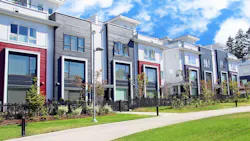
Offering greater affordability and higher density than traditional detached housing models, townhomes have grown in popularity among both homebuyers and builders. However, creating a successful townhome community takes more than reusing the same designs over and over. Factors such as site limitations, zoning rules, budget constraints, and different buyers’ needs all play a role in determining the best design approach when developing a townhome community, according to a blog post from Denver-based architecture firm KGA Studio Architects.
There are several townhome styles to consider, and choosing the right one can significantly impact how well a community sells. For example, three-story alley-loaded townhomes help builders increase density while still offering flexible floor plans. Meanwhile, pinwheel layouts can give residents a similar living experience to detached single-family homes, and narrow, three-story townhomes support walkable, pedestrian-friendly neighborhoods and make efficient use of space.
When buyer demographics require maximizing density to achieve more attainable price points, skinny townhomes can be a powerful solution. With tandem garages accessed from the rear and building widths in the 15-16 foot range, more units can be squeezed onto a typical townhome site. They are particularly well-suited for first-time homebuyers, missing middle housing, or urban infill projects where land costs are high. Developers often group these units into larger building packs (sometimes seven or eight units per building) to achieve higher density and construction efficiency. While the footprints are narrower, thoughtful design can still produce comfortable and highly functional layouts.