Navigating Home Certification Programs
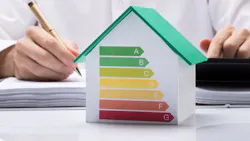
Green certification programs are becoming more commonplace in residential construction, with homeowners increasingly seeking out energy-efficient and wellness-driven designs. As more third party green certifications become available to residential builders and architects, knowing which ones to go for—and how to present them to clients—has become more important than ever.
From LEED to Phius, builders are using certifications in different ways. Some builders pursue official certifications to stand out in the market and provide proof of quality, while others follow certifications as a loose guideline without going through the formal certification process. In both cases, however, the goal is the same: deliver efficient and high-performing homes.
In terms of who is actually initiating certification—the homeowner, the design team, or builder—it varies.
“While design and building professionals provide education and technical expertise, clients are the primary catalysts for certification because they want to verify that their home is safe, healthy, and energy efficient,” says Pedranti.
But not all go all-in. “Many of our clients embrace passive house principles and testing for their homes but do not always pursue official certifications.”
The homeowner-led drive for certification seems to apply more to basic certification and wellness-driven programs, he says.
For the more sophisticated programs like Phius, WELL, and LEED, architects often take the lead, initiating early conversations about performance goals, indoor air quality, and what a certification actually means in terms of design and planning.
This article was originally published by our sister brand, Custom Builder. Read the full article here.