Housing Affordability Hindered By Low Supply
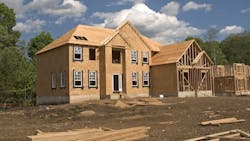
A slow period of new-home construction activity has made both the homeowner and rental market less affordable. According to research from Goldman Sachs, since the height of the financial crisis from 2007 to 2009, the supply of homes for sale or rent has dropped sharply.
In fact, both rental and homeowner vacancy rates are now lower than they were during the two decades before the crisis and the housing market collapse that followed. In 2009, rental vacancies hit a peak of 11.1% and homeowner vacancies reached 2.9%. By 2025, however, these vacancy rates had fallen to 7.1% for rentals and just 1.1% amonf for-sale homes.
Because of this drop in housing supply, prices have grown substantially over the past two decades. The home price-to-income ratio has now exceeded its early 2000s high point, growing from 4.1 in 2006 to 4.42 by 2025. Mortgage rates also jumped to their highest level in 20 years in 2022 and have remained relatively high ever since. These factors have pushed the average monthly mortgage payment from under 20% of a buyer’s income before the pandemic to more than 30% since 2022.
The report suggests that the U.S. would need an additional 3 to 4 million homes—or about 2% to 2.6% of the current housing stock—to bring the market back into balance and lower overall prices. However, a chronic shortage of skilled construction workers, lack of land to build on, and strict building regulations have made home building more complicated.
One issue limiting the growth in US housing stock is land use regulations, which have become more burdensome over time. They are the “first and most crucial constraint on US housing supply,” our economists write. The regulations come in many forms and are mostly set by local jurisdictions, making large-scale reforms more difficult.
Height restrictions hold construction to a maximum of about two or three stories on around 60% of residential land in the 240 largest US metropolitan areas. That’s similar to the height of a single-family home. Buildings are allowed to rise to five stories or more on just 7% of all residential land. There are also regulations affecting minimum lot size and open space, and rules about the maximum number of households allowed in a building.