Q+A: Alison MacCracken on Case Study 2.0's Efforts to Rebuild LA
This article initially appeared in the November/December 2025 issue of Pro Builder
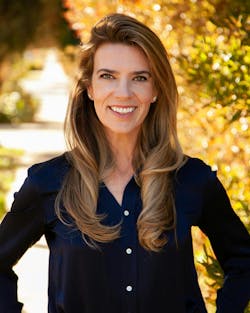
Alison MacCracken is the Fire Rebuild Liaison for Case Study 2.0, the revival of a post-World War II program that today aims to help rebuild communities devastated by the wildfires that swept across Los Angeles in January of this year.
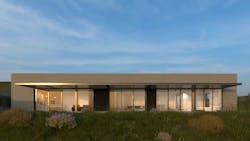
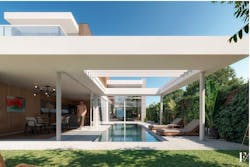
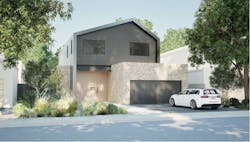
Spearheaded by Crest Real Estate, a land use consulting firm, the program wrangled 50-plus architects and designers to create home designs reflecting the diverse character of the affected neighborhoods. Displaced homeowners can select from more than 100 plans online and then contract at a pre-negotiated fee with the design firm to finalize it for their lot and lifestyle needs.
The program also requires fire-resistant features and materials to help satisfy underwriting requirements of property insurance carriers and is working with municipalities to streamline the approvals process for Case Study 2.0 homes.
Pro Builder: How did Case Study 2.0 come to be?
Alison MacCracken: Jason and Steven Somers of Crest Real Estate knew they had to do something after their uncle's home burned down in the Palisades. They came up with the idea to revive the original Case Study Home program and reached out to me to help implement their Fire Rebuild initiatives.
Because we had so many connections to architects, builders, the city, and the state, we were kind of like the quarterback to bring everyone together.
One of our biggest fears was that large production builders would come in and build a bunch of homes without considering the character of the communities that were lost. So we decided to revive the Case Study program from the post-War era.
The goals of that program were to provide homes that were affordable, beautiful, and repeatable. The original Case Study homes were beautiful, but not affordable or replicable. We liked the concept, but we wanted to hit on all those aspects this time.
PB: And how’s that going?
AM: The reality is that it isn’t so much about affordability, but instead what’s possible. The cost of construction is outrageous. We might be able to allocate $300 per square foot for materials, but then when you add the fees, labor and time, you’re quickly at $500 to $800 and still have to project manage it really well to achieve that.
So we required the architects involved to think about the engineering of the property: no curved walls, no intricate water features. Let’s make it structurally efficient, but also beautiful, and we left that to their interpretation. What came back brought me to tears it was so beautiful.
The third and a critical component was fire resilience, specifically to make sure that once these homes are built, they are insurable. It’s obviously top of mind for these homeowners from a safety perspective, but also from the ability to get insurance and live in their homes.
Hopefully, insurance will be affordable because we’ve really dialed into what the insurance companies need.
PB: The response from the architectural community was obviously enthusiastic.
AM: What you see on the website with the conceptual stage drawings was all pro bono. They all came with open arms and generous hearts. They were like, how can we help?
And then when the word got out after we launched in June, I fielded emails from other architects that wanted to be involved, so we’ve opened it up for a second round and we'll have about a hundred plans up on the site by Thanksgiving.
It's been very inspiring to create this community within the industry and then also to see the catalog actually bring the fire victims from different areas together.
PB: What’s been the response from people who lost their homes?
AM: At this time, we have approximately ten homeowners who have engaged an architect through the catalog. We’re genuinely thrilled with the success of the program thus far and know 2026 will lead to more meaningful and resilient homes being built in a more efficient manner.
There’s also probably an average of five homeowners a week that have found the website, found a plan, and then reached out to the architect directly instead of going through our portal, which is great.
PB: What other steps have you taken to meet your goals?
AM: We pre-negotiated the rate for the architectural fees to go from the conceptual stage through a full construction set of drawings. We've also negotiated the engineering fees as well to go through permitting and so forth so homeowners don't have to think about that process. It's already been done for them.
So once they find their design, find their architect, they're like, this is what I want. Then they sign the contract with the architect and they're off to the races.
PB: Tell us more about the “standard plan” approach and repeatability?
AM: We’re working with municipalities to get plans approved as a “standard” once they are submitted for permit, which in the City of Los Angeles only existed for ADU plans. It’s not huge volume, but it’s a much more efficient process.
Go to casestudy2.com/homes to see the entire online catalog of Case Study 2.0 homes.

About the Author
 Rich Binsacca, Head of Content
Rich Binsacca, Head of Content
Rich Binsacca is Head of Content of Pro Builder and Custom Builder media brands. He has reported and written about all aspects of the housing industry since 1987 and most recently was editor-in-chief of Pro Builder Media. rbinsacca@endeavorb2b.com